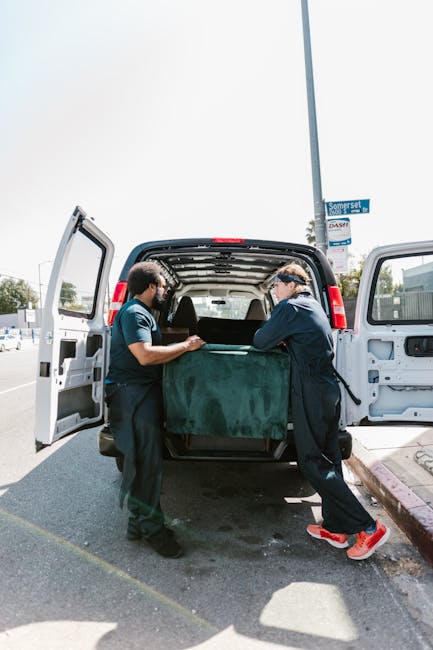
Ruislip Lido moving tips for local removals HA4

Moving near Ruislip Lido can feel deceptively simple. It is a local move, after all, and people often assume that means quick, easy, and almost casual. Then the boxes appear, parking gets awkward, and that one bulky item turns into a mini drama. If you are looking for Ruislip Lido moving tips for local removals HA4, this guide is designed to make the whole process calmer, smarter, and far less stressful.
The aim here is practical, not glossy. You will find straightforward planning advice, local moving considerations, packing guidance, and a few sensible ways to use storage if your timings do not line up neatly. Truth be told, that happens more often than people expect. Whether you are moving from a flat, a family home, or a smaller property nearby, the right approach can save time, reduce damage, and make moving day feel a lot less chaotic.
One small but important thing: a local move still deserves proper preparation. It just deserves less faff than a long-distance one.
Why Ruislip Lido moving tips for local removals HA4 Matters
Ruislip Lido has its own rhythm. It is a well-known local spot, with roads and residential streets that can be busy at certain times, especially when the weather is decent and people are out and about. That matters if you are moving in the HA4 area, because even a short journey can become awkward if access, parking, or timing is ignored.
Local removals are not just about distance. They are about the practical shape of the move: narrow streets, shared entrances, parking restrictions, stairs, lift access, neighbours, and the kind of furniture that always seems heavier on moving day than it did in the living room. If you plan with those details in mind, you reduce the small surprises that usually eat up time.
There is another reason these tips matter. A local move often involves a tighter timetable than a larger relocation. People might be handing keys over the same day, moving out of a rental in the morning and into a new place by the afternoon. When the schedule is compressed, every small delay is magnified. A missing tape roll, a bad lift slot, or a poorly packed box can slow the whole chain down.
Good preparation also helps protect your belongings. Scratched tables, chipped crockery, bent lamp shades, and torn bags are rarely caused by one huge accident. More often, they happen because a move was rushed. A calm, structured process is the best defence.
Expert summary: for local removals near Ruislip Lido, the biggest wins usually come from planning access, packing by room, protecting fragile items properly, and deciding early whether storage or a removals-and-storage option would make the move easier.
How Ruislip Lido moving tips for local removals HA4 Works
At a practical level, a smooth local move usually follows the same pattern: plan, pack, protect, move, and settle. The difference is in how carefully each stage is handled. If you are using a professional removals team, the process may include an initial survey or a quote based on property size, access, and the amount of furniture involved. If you are organising a smaller move yourself, the same principles still apply, just with a more hands-on role.
First, assess what is actually moving. Not what you think is moving. That distinction matters. Many people end up trying to move items that could have been sold, recycled, donated, or stored for a few weeks. It is a good moment to be ruthless in a kind way.
Next, think about the route. Where will the van park? Is there enough room for loading? Are there stairs? Is the front entrance awkward for wardrobes or sofas? Near a place like Ruislip Lido, local conditions can vary street by street, so the route from door to vehicle is as important as the drive itself.
Finally, decide how much of the move you want to do yourself. Some people pack everything, label it clearly, and only need help with heavy lifting. Others want a full removals service with packing support and transport. There is no single right answer. The best option is the one that fits your timing, budget, and energy levels without forcing you into a last-minute scramble.
If the move date and your new keys are not perfectly aligned, a short stopover in short-term storage can be a relief. It is one of those things people only appreciate once they need it, especially when the new place is not quite ready or a room is still being decorated.
Key Benefits and Practical Advantages
Well-planned local removals bring some very real benefits, and not just in a vague "less stress" sense. The advantages show up in time saved, reduced damage, and a move that feels under control from the outset.
- Less time wasted on moving day: If boxes are grouped logically and access has been checked, loading is faster and easier.
- Lower risk of damage: Good packing and the right vehicle handling protect furniture, appliances, and breakables.
- More predictable costs: A clear inventory and realistic estimate help avoid surprises.
- Less disruption: If children, pets, or work schedules are involved, a tidy plan reduces the knock-on effects.
- Better use of storage: A move can be staged if needed, rather than forcing everything into one day.
There is also a psychological benefit people overlook. When the move feels organised, it is easier to make decisions. You are less likely to hold onto clutter out of panic. You are more likely to label things properly. You are also more likely to sleep the night before, which honestly helps more than any miracle packing hack.
For smaller moves, a man and van arrangement can be ideal. It suits one-bed flats, a few pieces of furniture, or a move where you simply do not need a full-scale team. For larger homes, full house removals may be more efficient because the crew can manage loading, protection, and transit more smoothly.
If you are moving from a flat or maisonette, a more tailored approach such as flat removals can make a big difference, especially where stairs, tight corners, or limited access come into play.
Who This Is For and When It Makes Sense
This approach suits anyone moving locally around HA4, but it is especially useful if you recognise one of these situations:
- You are moving a short distance but have a lot of furniture.
- You are leaving a rental property and need to hand back the keys on a fixed date.
- You are downsizing and want to decide what to keep, store, or let go.
- You are moving between flats and need help with stairs or access.
- You are combining a move with refurbishments, decorating, or delayed completion dates.
- You want a more economical local move without cutting corners on safety.
It also makes sense for people who have a busy week ahead and simply cannot spend days managing the move. Let's face it, not everyone has the luxury of treating moving day like a side project.
Students, professionals, and small households often benefit from simpler options too. For smaller volume moves, small removals can keep things efficient. If you are transitioning between terms or accommodation arrangements, student storage may help bridge the gap without cluttering a temporary room with boxes.
For business owners or home workers, moving office equipment or documents is a separate challenge. In that case, office removals or business storage may be a better fit than trying to mix everything into a domestic move.
Step-by-Step Guidance
Here is a practical, low-drama way to approach a local move near Ruislip Lido.
1. Start with a realistic inventory
Walk through each room and write down what is actually going. Focus on furniture, white goods, boxes, fragile items, and anything unusually heavy or awkward. If you only do one thing this week, do this. It makes the rest easier.
2. Decide what should not travel with you
Sort items into keep, donate, recycle, sell, and store. This is where many moves get lighter very quickly. Old paperwork, duplicate kitchen items, broken chairs, and half-used DIY supplies are classic time-wasters.
3. Measure awkward furniture and access points
Measure tall wardrobes, sofas, bed frames, and fridges. Then compare those dimensions with doorways, stairwells, and hallways. A sofa that fits in the room may not fit around a corner. It sounds obvious, until it is not.
4. Book the right moving support
If you need packing help, use a packing services option so fragile items are wrapped properly and boxes are labelled consistently. If your move is simple but you need flexible transport, a man and van solution may be enough. Larger or more complex households may need a fuller removals plan.
5. Pack by room and priority
Keep each room separate. Mark boxes clearly with the room name and a short contents note. Pack essentials last so you can access toiletries, chargers, kettle items, and basic bedding without digging through ten identical boxes at 9:30 p.m.
6. Protect fragile and valuable items properly
Use sturdy boxes, packing paper, bubble wrap where appropriate, and enough padding to stop movement inside the box. Plates should stand upright where possible. Glasses should not rattle. Lampshades deserve more care than people give them, usually after one bad move.
7. Prepare moving day access
Make sure parking is clear, keys are available, and someone can answer the door. If there is a loading sequence, share it in advance. A few minutes of coordination can save half an hour of standing around with a trolley.
8. Settle the new place methodically
Start with beds, kitchen basics, and washing essentials. Then move on to furniture placement and larger boxes. It is tempting to unpack randomly, but a steady sequence pays off. Your future self, standing in a half-built room with a mug, will thank you.
Expert Tips for Better Results
Here are the bits that tend to make the biggest difference in real life.
- Keep one essentials box per person: Add chargers, medication, toiletries, a change of clothes, snacks, and a kettle set-up if possible.
- Use colour coding: Simple coloured tape or pen marks can help identify room destinations at a glance.
- Don't overfill boxes: A box packed with books becomes a small tragedy for your back. Mix heavy and light items sensibly.
- Protect floors and walls: Door frames, corners, and stair edges are where damage sneaks in.
- Take photos of cable setups: It sounds fiddly, but it saves time later when reconnecting routers, TVs, or desk equipment.
- Plan for weather: A damp patch of carpet or a sudden shower can turn a tidy move messy fast. British weather being British weather, of course.
One slightly underused tip is to pack an overnight bag as though you were going away for a weekend. Toothbrush, phone charger, medication, warm layers, and tea things. Simple. No hunting for one last clean sock at midnight.
If you have furniture that needs to wait before entering the new property, consider furniture storage for larger items, or household storage if you need a little more breathing room during the transition.
Common Mistakes to Avoid
Most moving problems are predictable. That is the frustrating part, but also the reassuring part, because predictable problems can be avoided.
- Leaving packing too late: This creates rushed decisions and poor labelling.
- Underestimating access issues: The van may be easy; the staircase may not be.
- Forgetting about parking: A bad parking plan can add unnecessary delays.
- Mixing items from different rooms: This causes confusion during unpacking and slows everything down.
- Not checking what needs storage: If the new property is not fully ready, storage can stop the move from becoming a mess.
- Ignoring insurance and item protection: Valuable or fragile items should be handled carefully, with proper expectations from the start.
A common one, and this is very human, is assuming "we'll just sort it on the day." Sometimes you can. Usually, you cannot. That phrase has ended many a calm plan.
Another mistake is forgetting to tell the people helping you what matters most. If a box contains documents, medications, or a child's essentials, it should not be treated like the spare bedding box.
Tools, Resources and Recommendations
You do not need a complicated toolkit, but a few sensible items make a move much smoother:
- strong packing tape and a spare roll
- marker pens for labelling
- sturdy boxes in a few different sizes
- paper or protective wrap for fragile items
- furniture blankets or covers
- scissors or a tape cutter
- zip bags for screws, fixings, and cable bundles
- simple notes or a room-by-room inventory sheet
On the service side, think about what is actually useful to your situation. If the move is straightforward, a local removals team may be enough. If timing is awkward, removals and storage can smooth the gap between properties. If you are moving only a few items or a single room, small removals can be a better fit than a larger arrangement.
For people working from home or moving a study setup, document storage can help keep paperwork safe and out of the way, especially if boxes would otherwise clutter a new office corner for weeks.
If you are trying to choose the right support for a local move, it can also help to review pricing and quotes carefully and ask about what is included. Transparency matters. So does knowing whether packing, loading, transport, and storage are all part of the same plan.
Law, Compliance, Standards, or Best Practice
For a local residential move, you usually do not need to worry about complicated legal issues, but best practice still matters. In the UK, removals companies are expected to work safely, communicate clearly, and take reasonable care of goods while they are in their possession. That does not mean every risk disappears, but it does mean the process should feel professional and organised.
It is sensible to ask about item handling, vehicle loading, and insurance arrangements before moving day. If there are especially valuable, fragile, or sentimental items, make sure expectations are clear. A removals service should be able to explain how they approach protection and what their responsibilities cover in broad terms.
Health and safety also matters in practical ways. Heavy lifting, awkward staircases, poor visibility, and wet surfaces are common moving-day hazards. The safest moves are the ones where lifting is shared properly and nobody tries to be a hero with a wardrobe. That never ends well.
If you are using professional help, it is fair to check whether the company has clear policies on safety, insurance, payments, terms, and complaints. That kind of administrative clarity sounds dull, but it is often what separates a smooth experience from a frustrating one. A reputable provider should be comfortable with sensible questions.
For environmentally aware moves, it is also worth thinking about recycling and responsible disposal. If you are clearing items you no longer need, review your options carefully and aim to reduce waste where possible. A tidy move can still be a responsible one.
Options, Methods, or Comparison Table
Different moves need different approaches. Here is a simple comparison to help you think it through.
| Option | Best for | Advantages | Watch-outs |
|---|---|---|---|
| DIY move | Very small loads, short distances, low-value items | Lowest immediate cost, complete control | More labour, more time, higher stress if access is awkward |
| Man and van | Small to medium local removals | Flexible, efficient, usually good for tight schedules | May not suit very large households or heavy, complex moves |
| Full removals service | Family homes, heavier furniture, busy move days | More support, quicker loading, less physical strain | Usually costs more than a basic transport-only option |
| Removals with storage | Moves with timing gaps or renovation delays | Prevents rushed decisions, keeps items safe until needed | Requires more planning and may involve multiple stages |
The best choice is rarely the cheapest one on paper. The right decision is the one that fits the property, the schedule, and the amount of stress you can reasonably tolerate. There, that sounds almost philosophical. But it is true.
If your move is likely to involve waiting between homes, a short or long holding period may be more practical than trying to force everything into one very long day. In that case, long-term storage may be worth considering for items you are not ready to place yet.
Case Study or Real-World Example
Imagine a couple moving from a first-floor flat near Ruislip Lido into a nearby house in HA4. On paper, it is a local move that should be straightforward. In reality, the flat has a narrow stairwell, the house is not fully ready because the spare room is still being painted, and the sofa is too large to leave in the hallway overnight.
What helps most in that situation? A simple plan. They sort belongings two weeks before the move, mark every box by room, and separate essentials from non-essentials. They measure the sofa before moving day and realise it may need careful handling. They use storage for the items that would otherwise block the new hallway, and they keep one overnight bag for each person. Nothing dramatic, just a steady sequence of good decisions.
The result is a move that feels controlled rather than frantic. Not perfect, because moves never really are. But manageable. The couple are not searching for kettle filters at 11 p.m. in a pile of boxes, which is already a win.
That kind of outcome is why local removals planning matters. It is not about making the day magical. It is about making it workable.
Practical Checklist
Use this checklist in the final few days before the move.
- Confirm moving date, access times, and key handover details.
- Check parking and loading space near both properties.
- Finish decluttering and separate items to keep, donate, recycle, or store.
- Pack fragile items securely and label them clearly.
- Set aside essentials for the first night.
- Keep important documents, keys, chargers, and medication together.
- Protect floors, corners, and furniture surfaces where possible.
- Measure large items and confirm they will fit through doors and hallways.
- Book the right support, whether that is removals, packing services, or storage.
- Double-check insurance and any service terms before moving day.
Quick takeaway: if you plan access, pack properly, and choose the right moving support for the size of your load, a local move around Ruislip Lido becomes much easier than most people expect.
Conclusion
Ruislip Lido moving tips for local removals HA4 are really about reducing friction. The shorter the move, the more tempting it is to wing it. But a little planning goes a long way, especially where access, timing, and storage gaps are involved. If you focus on the practical bits early, you give yourself room to breathe later.
Whether you need a simple transport solution, fuller removals support, or a temporary place to keep belongings safe between properties, the best results come from matching the service to the move rather than forcing the move to fit a rigid plan. Simple as that.
If you are still comparing options, it may help to review local removals alongside storage choices and check what suits your property, your timeline, and your budget best. A little clarity now can save a lot of stress on moving day.
Get a free quote today and see how much you can save.
And if the day still feels a bit too full-on, that is normal. A good move is rarely effortless, but it should feel steadily under control.
Frequently Asked Questions
What makes moving near Ruislip Lido different from a standard local move?
The main difference is access and local conditions. Parking, traffic, shared entrances, and nearby street layout can all affect how easy the move feels, even over a short distance.
How early should I start planning a local removal in HA4?
Ideally, start a couple of weeks ahead if you can. That gives you time to declutter, pack by room, and sort access details without rushing.
Is a man and van enough for a small flat move?
Often, yes. For a smaller property or a lighter load, a man and van arrangement can be efficient and cost-effective.
When should I consider storage during a move?
Storage is useful if your move dates do not line up, if decorating is delayed, or if you need to stage the move in phases. It can prevent a lot of last-minute pressure.
What should I pack first when moving locally?
Pack non-essential items first, such as books, decorative pieces, seasonal clothing, and spare kitchenware. Leave daily essentials and important documents until the end.
How can I protect fragile items properly?
Use strong boxes, fill empty space so items do not move, and wrap delicate pieces individually. Label those boxes clearly so they are handled with care.
Do I need packing services for a local move?
Not always, but they can be helpful if you are short on time, moving breakables, or simply want a more organised process. It is a sensible option for many households.
What happens if my new home is not ready on the day?
If there is a timing gap, removals with storage or short-term storage can keep belongings safe until you can move them in properly.
How do I avoid stress on moving day?
Keep access details clear, label everything, separate essentials, and avoid last-minute packing. A calm plan makes a surprising difference.
Are local removals better than doing everything myself?
It depends on the size of the move, your budget, and how much heavy lifting is involved. Professional support is often worth it when furniture, stairs, or timing become tricky.
What should I ask a removals company before booking?
Ask about what is included, how they handle fragile items, whether storage is available, and what their terms and insurance approach look like. Clear answers are a good sign.
Can I use storage for just a few weeks?
Yes. Short-term storage is often a practical bridge between homes, especially if you are waiting for completion, decorating, or simply trying to avoid cluttering the new place.
Is office equipment moved differently from household items?
Usually, yes. Documents, electronics, and work furniture often need extra care and planning. If that applies to you, office removals or business storage may be more appropriate.
What is the simplest way to make a local move feel easier?
Declutter first, pack by room, label properly, and choose the right level of help. That combination removes a lot of the friction that tends to make moving feel harder than it should.